Bitcoin
Congressman Tom Emmer Supports Bitcoin
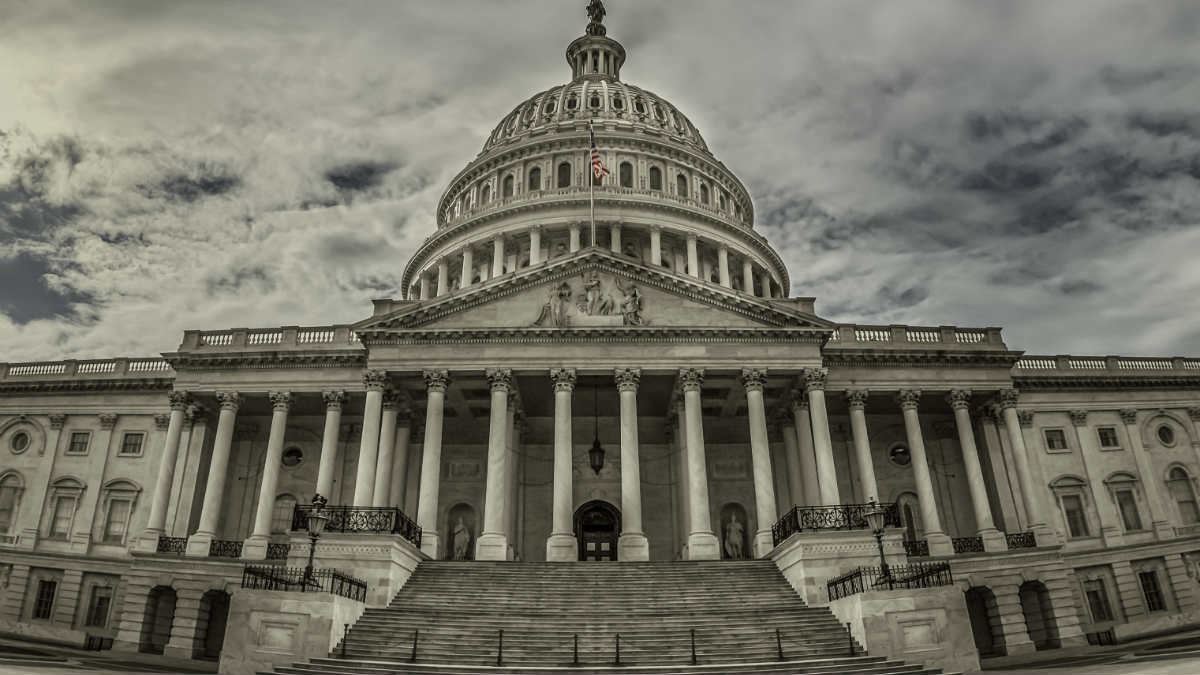
Congressman Tom Emmer supported Bitcoin and Slashes Facebook’s Libra during his recent speech at US Congress on 07-17-2019.
I’m sure you’re aware bitcoin is now 10 years old and now suddenly magically Congress is responding in other words after more than a decade Congress has apparently started to care I’m glad after all these years that Congress has finally decided to pay attention to the technology that could again just like the Internet up end the way we do everything in our lives unfortunately some people want to unnecessarily restrict it or even ban it they fear change nothing has been more clear on this committee than the blind aversion to change that some of our members have constantly espoused even when it wasn’t required or even the subject of the hearing I’m amazed at how easily representatives from California are so willing to suppress the innovation occurring in their own state and as much as they would like to be a separate country the benefits those innovations could have for the United States.
I don’t want to be partisan this is not a partisan technology in fact representative bill foster a co-chair the blockchain caucus like myself has been a longtime champion and advocate for these innovations it has never been a cornerstone of my grandfather’s Democrat Party to oppose innovation chairwoman waters was in fact correct when she began this hearing that merely learning more about an understanding Libra does not have to include opposing it.
I hope that will be the same approach to understanding the breadth and depth of cryptocurrency which Libra does not represent but thankfully thankfully amplifies our discussion of that topic unfortunately mr. Marcus you and your company have decided to approach this undertaking with as equal a level of ignorance and misunderstanding as those who wish to quell any new developments in cryptocurrency I’m afraid you have failed to realize that there is much to do in Washington in terms of educating both members of Congress and regulators on the benefits of this technology I hope someone whose opinion you value conveys to you how wrong you’ve been operating people have concerns with the amount of data you have on them and now you want to be there money to I hope members of this committee investigate the fact that quote the people already have options separate from your central control my colleagues are incredibly fearful of the money laundering and criminal activity and crypto currencies but the dollar in all Fiat backed currencies have been proven to be the largest means of illicit behavior and money laundering this does not mean we need to suppress individual freedom individuals insistent on the exclusion of middlemen and the freedom of the individual will continue to create open networks separate from central control unfortunately Libre is not designed to minimize middlemen it in fact relies on them at the end of this day Libre presents an incredible opportunity to define what it is not it presents an incredible opportunity for everyone on this committee to learn more about actual crypto currencies the committee has already sent out a press release that this is only our first step in regulation of oversight of Libre a lot has been said about the concern that the payment systems are unregulated however payment systems like the one you propose are already subject to regulation by a number of agencies.
I think it’s important that my colleagues have a full understanding of the law as it currently exists so that we may make better decisions here Treasury as demonstrated by Secretary of minuchin on Monday regulates payment systems for anti-money laundering compliance the FTC regulates them for fraud each state regulates them for consumer protection among other things New York has its own specific regime and so forth this regulatory landscape applies to payment systems like Libre and is different and distinct from laws that may or may not apply to typical social media platforms when this hearing was announced I was optimistic that this was finally at the time a major company wanted to be involved with this revolution and that the majority wanted to actually think and learn these new innovations it appears however they have decided to entrench themselves in the fear of the unknown and the fear of change and your company has done nothing to allay these fears as you move forward acknowledging that the bill to ban your actions has no constitutional basis let alone a basis in logic and that no one is willing to actually put their name on this proposal to ban private innovation will you work with me and invest educational efforts to show these members of Congress that we should work to better understand the innovations underlying cryptocurrency rather than doing their best to put their head in the sand and ignore change.

Bitcoin
U.S. Strike Force Targets Southeast Asian Crypto Scam Networks
A new federal team is now working to stop large crypto scams coming out of Southeast Asia. The U.S. Attorney’s Office announced the “Scam Center Strike Force,” saying the goal is to protect Americans who are losing money to fake crypto investments.
The announcement came from U.S. Attorney Jeanine Pirro in Washington. Leaders from the DOJ, FBI, and Secret Service joined her. They all said the same thing: these scams are growing fast, and the losses are hitting regular people.
Officials say the scams are mostly run by Chinese criminal groups. They use social media and text messages to reach victims in the U.S. The scam usually starts with friendly contact. Then the criminals convince victims to invest real crypto. After that, they push the victims to move the funds into fake platforms that look legitimate. Once the money moves in, it disappears into wallets outside U.S. control.
Many of these operations sit inside compounds in Southeast Asia. Workers inside them are often trafficking victims. They are forced to message Americans every day. Some compounds run on such a large scale that the scam income, according to reports, reaches levels close to half of a country’s GDP. U.S. officials say Americans lose nearly $10 billion each year from these schemes.
Pirro said her office has the authority to charge foreign suspects and seize property overseas. She also asked U.S. technology companies to take part. Her message was clear: these scams rely on U.S. infrastructure, and that needs to change.
The FBI said the impact on families is long-lasting. Many victims lose their entire savings. The Secret Service said they have seen a sharp rise in crypto fraud since 2019 and heard from about 3,000 victims this year alone.
The Strike Force combines the DOJ, FBI, Secret Service, Treasury, State Department, and other agencies. Teams are now targeting major scam sites in Cambodia, Laos, Burma, and other parts of the region. They are going after the leaders, the websites, and even the internet infrastructure used to run the scams.
The government says the team has already seized more than $400 million in crypto linked to these fraud rings. Another $80 million is now in forfeiture proceedings.
One team in Burma seized websites used to trick Americans. Another operation aims to seize satellite terminals that kept scam sites online. The Treasury Department also added the Democratic Karen Benevolent Army and related groups to the sanctions list.
Other Strike Force teams worked with Indonesian police on a network in Bali. That investigation helped bring charges against 38 suspects.
Agents are also working inside Thailand with local police to track scam compounds, including a well-known site called KK Park.
Officials say they want to stop the scams, recover stolen funds, and teach people how to spot suspicious messages. The Strike Force plans to keep pushing until they cut off access from these networks to U.S. users.
Secretservice.gov’s News Release:
Anyone who believes they lost money to a Southeast Asian crypto scam can file a report at ic3.gov.
Bitcoin
French Police Arrest Crypto Kidnappers After Finger Cutting
Paris, France – French police arrested several suspects this week tied to a disturbing May kidnapping. The victim was the elderly father of a wealthy cryptocurrency entrepreneur. A source close to the investigation confirmed the arrests on Wednesday.
This incident is the latest in a concerning series of crimes. Over recent months, criminals have repeatedly targeted the families of France’s crypto elite. The goal appears consistent: extortion through abduction.
The May Kidnapping: Violence in Daylight
The events prompting these arrests unfolded on May 1st. In Paris’s busy 14th arrondissement, four masked men struck in broad daylight. They seized the elderly father of a prominent crypto businessman. Witnesses saw the men force the victim into a delivery van.
The kidnappers acted brutally. They cut off one of the victim’s fingers. They demanded a ransom of several million euros (equivalent to millions of dollars) for his release.
French police responded decisively. A tactical unit located where the man was being held. Days after the kidnapping, they stormed a house in a Paris suburb. They successfully freed the victim.
Recent Arrests and a Pattern of Crime
The arrests made this Tuesday target individuals suspected of direct involvement in this violent abduction and extortion plot. The source did not specify the exact number of people arrested or their locations. Under French law, suspects can be held for questioning for up to 96 hours before charges must be filed.
This case isn’t isolated. Since January, French authorities have tracked a worrying trend. Wealthy individuals involved in cryptocurrencies, and crucially, their families, have become prime targets for kidnapping gangs.
The Balland Case: A Chilling Precedent
The spate began dramatically in January. Kidnappers abducted David Balland, co-founder of the billion-dollar crypto security firm Ledger, and his partner. The perpetrators used horrific tactics similar to the May case. They cut off Balland’s finger and demanded a large ransom.
Police found Balland the next day. His girlfriend was discovered tied up in the trunk of a car outside Paris. This case highlighted the serious threat facing the crypto community.
Significant progress was made last week. Moroccan authorities, acting on French requests, arrested Badiss Mohamed Amide Bajjou in Tangier. The 24-year-old is suspected of being the mastermind behind the Balland kidnapping and other similar attacks. At least nine other suspects are under investigation in that specific case.
“Stop the Mexicanisation”: Fear and Frustration Mount
The repeated attacks have created deep anxiety. Wealth generated through the volatile but lucrative cryptocurrency market has painted targets on the backs of entrepreneurs and their loved ones. The violence and brazen tactics recall organized crime operations seen elsewhere.
One prominent crypto entrepreneur voiced this fear starkly. He urged French authorities to “stop the Mexicanisation of France.” This phrase directly references the kidnappings often perpetrated by violent cartels in Mexico.
Government Steps: Meetings and Security Pledges
The growing crisis forced a government response. Last month, Interior Minister Bruno Retailleau held an emergency meeting. He met with leaders from the cryptocurrency sector. The Ministry of the Interior announced plans following this meeting. They pledged to bolster security measures specifically for individuals deemed high-risk within the crypto industry.
The Security Challenge for Crypto Wealth
This wave of kidnappings underscores a harsh reality. Sudden, significant wealth linked to cryptocurrencies attracts dangerous criminal attention. Unlike traditional wealth often held in regulated banks or visible assets, crypto fortunes can be harder to trace. This might make victims seem like easier targets for extortion, criminals mistakenly believing crypto ransoms are harder to track or recover.
However, the brutal methods – severing fingers to pressure families – demonstrate extreme violence. It shows these gangs operate with little regard for human life. The targeting of elderly parents adds another layer of cruelty, exploiting family bonds for financial gain.
The Investigation Continues
While this week’s arrests mark progress in the May case, the broader threat remains. Authorities are actively investigating the connections between these incidents. They are working to dismantle the networks responsible for planning and executing these kidnappings.
Key questions persist:
- Are these separate criminal groups, or part of a larger, coordinated network?
- How are victims being identified and targeted?
- What specific security enhancements will the government implement?
The French crypto community watches nervously. They hope these arrests signal a turning point. They want authorities to break the cycle of violence targeting them and their families. The pressure is on police and government officials to deliver tangible results and restore a sense of safety.
The promise of cryptocurrency innovation now comes with a grim caveat in France: immense wealth can carry immense personal risk. As investigations deepen and security measures evolve, the nation grapples with preventing its crypto boom from being overshadowed by a crime wave targeting its architects.
Bitcoin
Telecom Giant Vodafone Bringing Crypto to the Masses Via SIM Cards
The major telecom company Vodafone has unveiled an ambitious plan to integrate cryptocurrency wallets directly into the SIM cards used by mobile phones on its network. This cutting-edge move aims to make blockchain technology and crypto easily accessible to millions of smartphone users worldwide.
What’s Happening?
Vodafone, one of the largest mobile operators based in the UK, intends to combine crypto wallets with the subscriber identity module (SIM) cards inside phones. SIM cards are little chips that allow mobile devices to connect to a carrier’s network.
By embedding a crypto wallet into these ubiquitous SIM cards, Vodafone wants to introduce blockchain and virtual currency technology to the masses through the smartphones we all use daily.
The Bigger Blockchain Picture
This crypto SIM integration is part of Vodafone’s bigger blockchain strategy. The company has developed its own “PairPoint Digital Asset Broker” platform to enable secure digital identities and transactions across different blockchains.
Vodafone’s blockchain lead David Palmer emphasized in an interview that mobile phones are the main way billions access digital services and commerce. So partnering blockchain with SIM card tech is crucial for widespread adoption.
By 2023, there will be over 8 billion mobile phones in use globally. And estimates suggest crypto wallets on smartphones could reach 5.6 billion by 2030 as digital money goes mainstream.
Financial Restructuring
The crypto wallet announcement comes as Vodafone seeks to restructure its finances and raise billions in new funds through debt offerings and loans over the next couple years.
The company plans to take on $2.9 billion in total debt, including $1.8 billion in direct loans. Some of this financial overhaul relates to issues at Vodafone’s Indian subsidiary Vodafone Idea Ltd.
While navigating these monetary hurdles, Vodafone still sees major opportunities in emerging technologies like blockchain and aims to be an innovator helping drive mainstream crypto adoption through the SIM card strategy.
-
Altcoins6 years agoProject Review: Pi Network, a New Scam Project in Town
-
Bitcoin5 years agoBitcoin Worth $1.2M Seized From Arrested Indian Hacker
-
Altcoins6 years agoReview: Play Arcade Games Inside ARK Wallet And Win Some Free Cryptocurrency
-
Blockchain6 years agoA Full Review: Utopia A New Decentralized P2P Blockchain
-
Bitcoin6 years agoAnother Exit Scam: NovaChain Shuts Down
-
Exchanges6 years agoCrex24 Will Require KYC Verification
-
Blockchain6 years agoProject Review: Dmail Decentralized Blockchain Email
-
Bitcoin6 years agoJohn McAfee Has Gone Missing