
A compromised update to the Trust Wallet Chrome extension has been linked to crypto losses totaling around $7 million. The issue affected a limited group of users but raised wider concerns about browser-based wallets.
The problem surfaced after users noticed unexplained transactions leaving their wallets. Investigators later tied the activity to a specific extension update.
What Went Wrong
Trust Wallet said the incident was isolated to Chrome extension version 2.68. That version included unauthorized code capable of extracting wallet recovery phrases.
Once those phrases were exposed, attackers no longer needed user approval. Funds could be moved freely, and in many cases, were drained within minutes.
Loss Reports Begin to Surface
As details spread, users began sharing their experiences online, mainly on X.
One user reported losing $1,031, saying the transfer happened without any warning signs. Another X’s users said their losses were smaller but described feeling uneasy about continuing to use the wallet afterward.
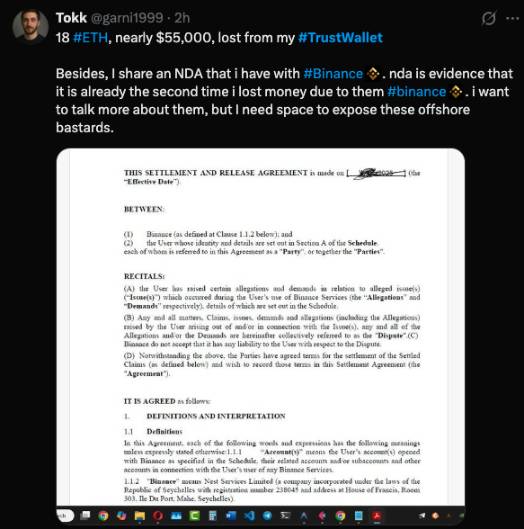
Another user reported a loss of 18 ETH, valued at close to $55,000 at the time. That user said they had previously signed a non-disclosure agreement with Binance and suggested the incident was not an isolated experience.
Binance Confirms Reimbursements
Binance CEO Changpeng Zhao later confirmed that total losses linked to the incident were roughly $7 million.
According to Zhao, Trust Wallet will reimburse affected users. He also said the company is investigating how the altered extension update passed review and was released.
Trust Wallet’s Response
Trust Wallet followed up with an official notice acknowledging the scope of the incident. The company said refunds are being processed and that instructions will be shared directly with impacted users.
The team also warned users to ignore unsolicited messages offering help or refunds. Similar incidents in the past have been followed by phishing attempts targeting victims.
Why This Matters
Browser extensions remain one of the weakest points in wallet security. Even well-known tools can become dangerous if update mechanisms are compromised.